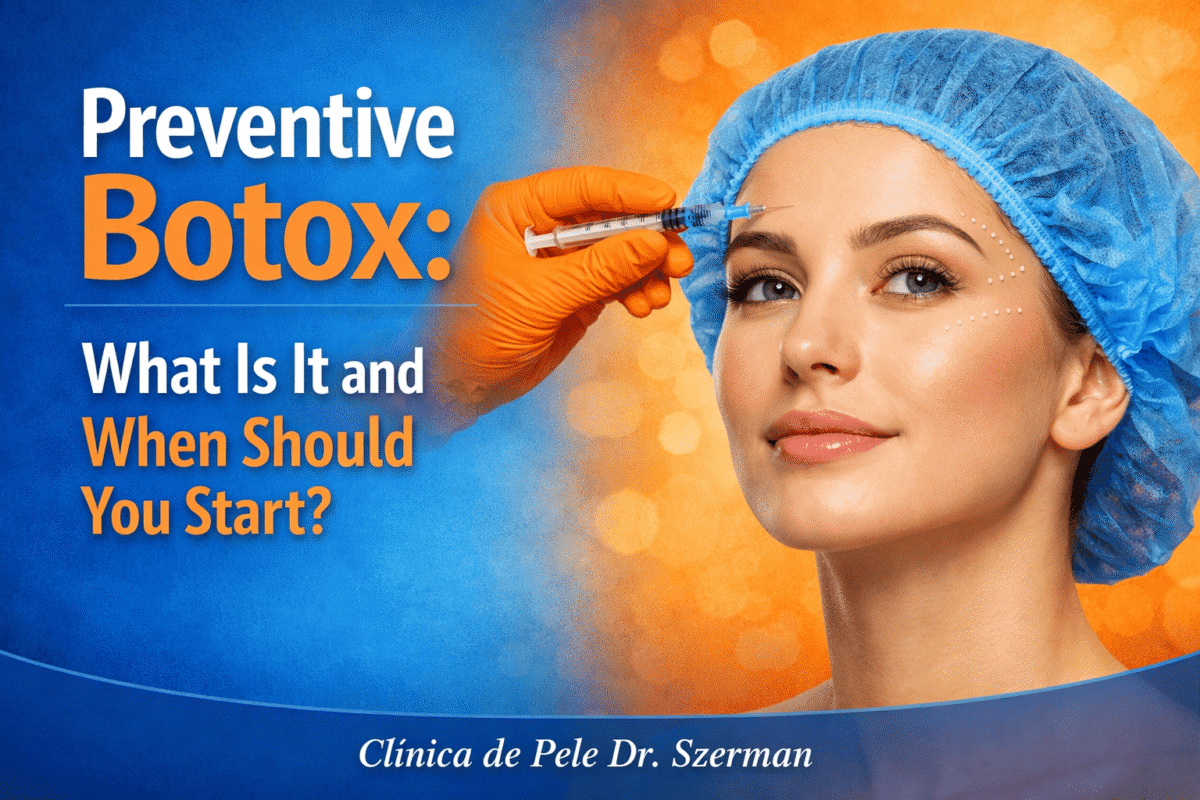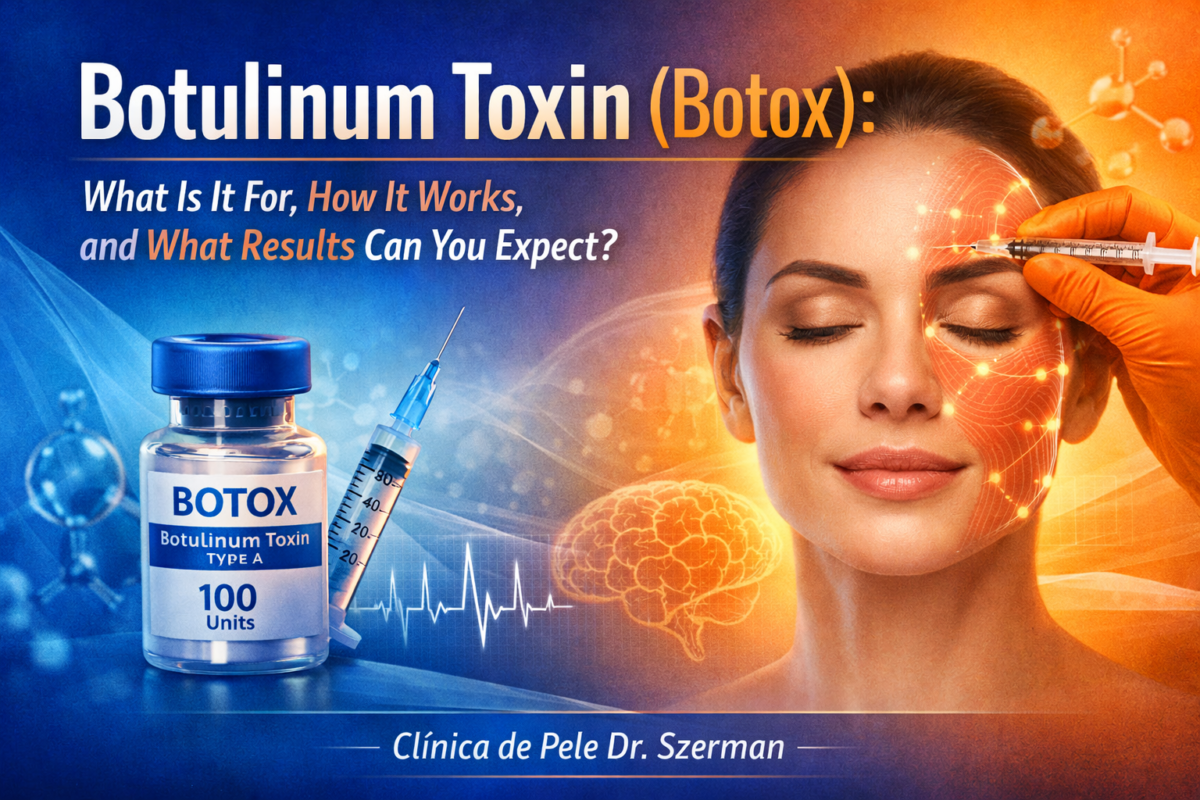
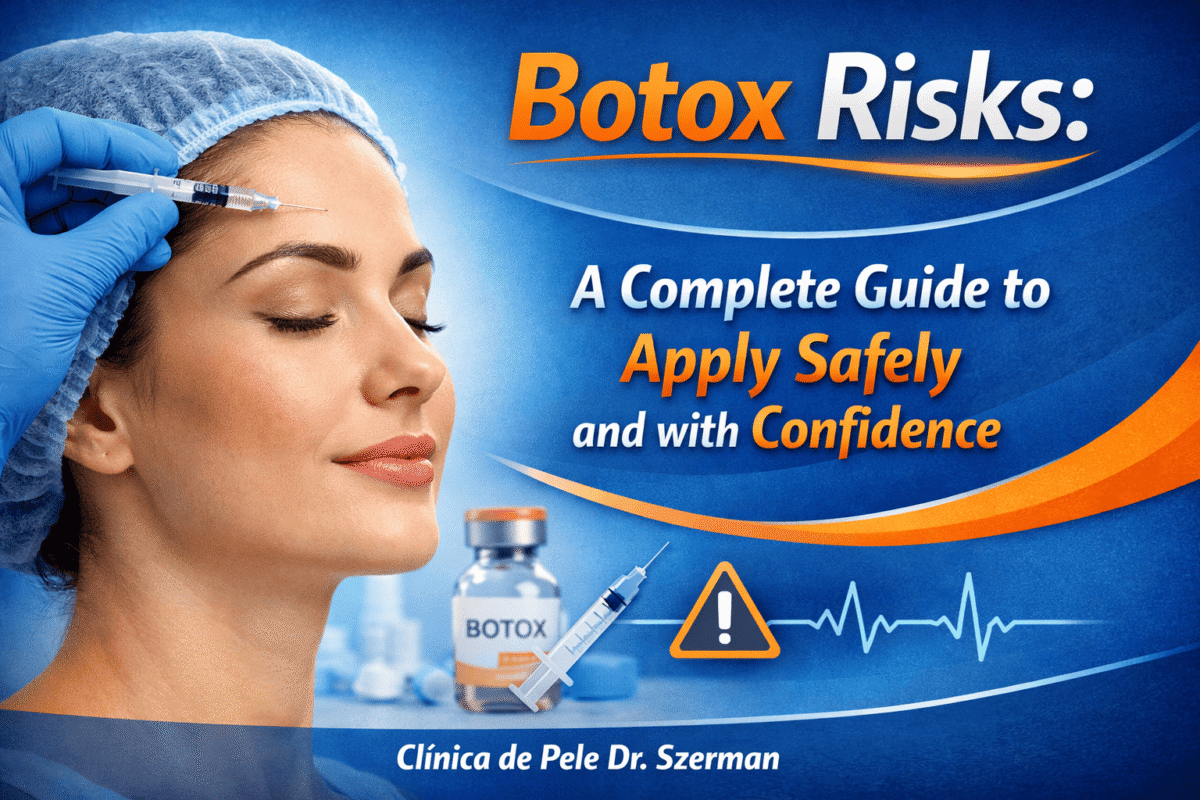
Botox, also known as botulinum toxin, is one of the most widely performed aesthetic procedures in the world to smooth wrinkles and expression lines, promoting a younger and more rested appearance. However, like any medical procedure, it is essential to understand the Botox risks, its possible side effects, and the necessary care to ensure safety and good results.
In this complete guide, you will learn what Botox is, its most common and rare side effects, who should avoid the procedure, and what care is essential before and after application.
What is Botox and what is it used for?
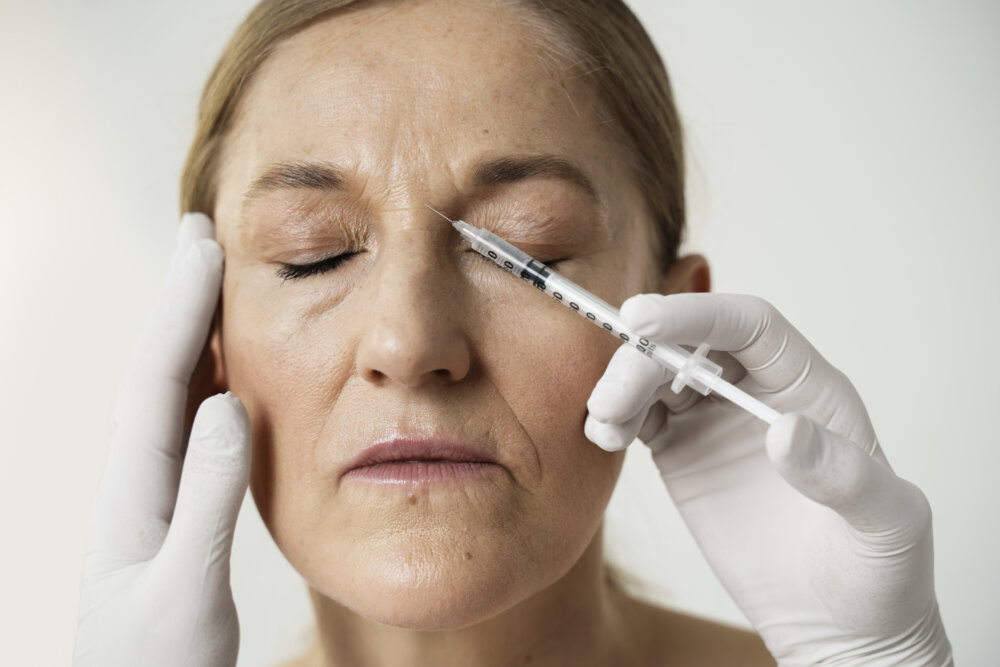
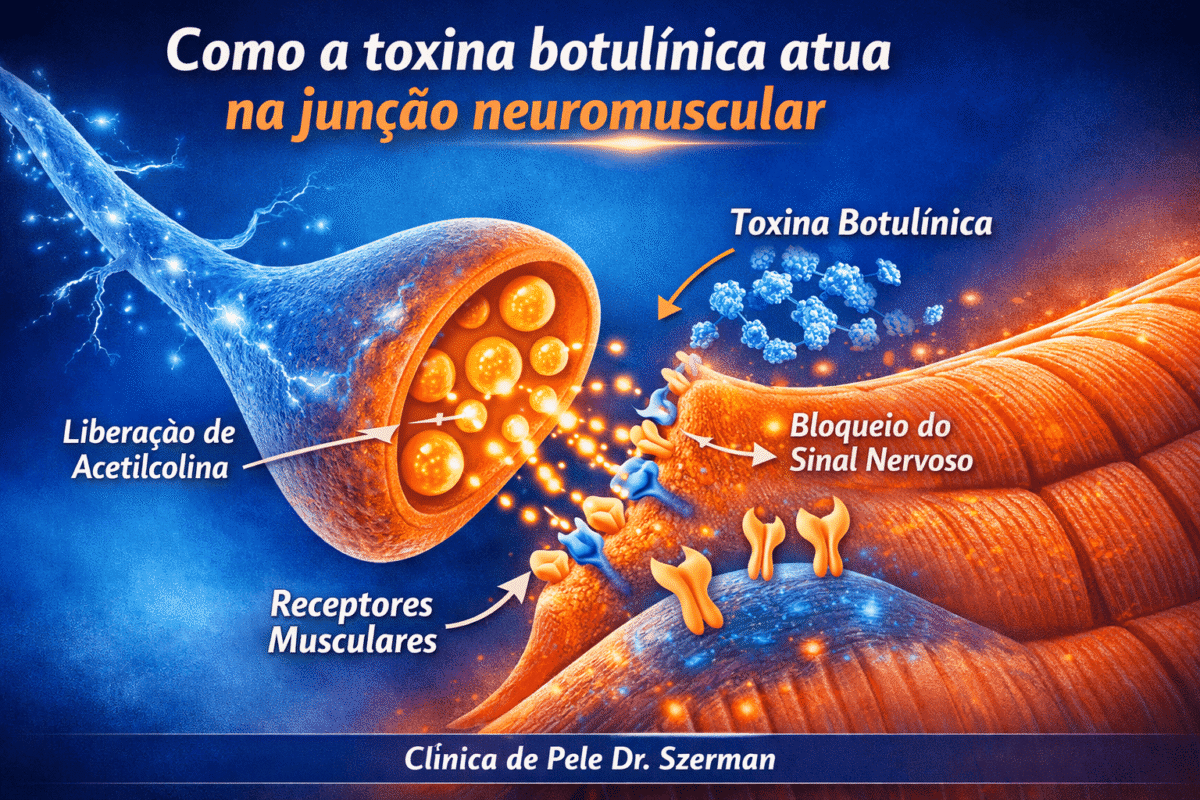
Botox is a substance that works by temporarily relaxing the muscles responsible for expression lines. It is widely used to treat:
- Forehead wrinkles
- Lines around the eyes (crow’s feet)
- Lines between the eyebrows
- Expression marks on the face in general
Its goal is to provide a smoother, more rested, and rejuvenated appearance without altering the natural look of the face.
Common side effects of Botox
After Botox application, some mild and temporary effects are normal.
Pain and swelling at the injection site
It is common to feel slight pain or mild swelling, similar to a mosquito bite. These symptoms usually disappear within a few days.
Mild headache
Some people may experience slight discomfort or headache, which is usually temporary and short-lived.
These effects are considered normal and are part of the body’s adaptation process.
Rare complications of Botox
Although rare, some complications can occur. The most important thing is to stay calm, as most of them are temporary and reversible.
Facial asymmetry
Facial asymmetry occurs when one side of the face reacts differently from the other after application.
The main causes are:
- Application technique
- Individual body response
- Product distribution
In most cases, asymmetry is temporary and may resolve on its own or with small adjustments made by the professional.
Eyelid ptosis (drooping eyelid)
Eyelid ptosis is a temporary drooping of the upper eyelid and can occur when Botox is applied too close to the eye area. Although alarming, it is a rare side effect and is usually reversible with proper follow-up.
Difficulty swallowing or speaking
These are extremely rare effects, but possible when the toxin affects muscles close to those responsible for these functions. They are also temporary and require professional monitoring.
Essential care before and after to avoid Botox risks
Safety should always come first. Some precautions are essential to minimize Botox risks.
Choose an experienced doctor
Always seek a physician specialized in aesthetics, with proven experience in Botox application. Proper technique makes all the difference in both results and safety.
Inform your medical history
Talk openly with the professional about:
- Pre-existing conditions
- Medications in use
- Allergies
- Previous procedures
This information is essential to avoid complications and Botox risks.
Strictly follow post-application instructions
After the procedure, it is recommended to:
- Avoid intense physical exercise
- Avoid excessive sun exposure
- Do not massage the treated area
- Do not lie down in the first few hours, as instructed by your doctor
Be cautious of very low prices
Prices far below the market average may indicate low-quality products or application by unqualified professionals, putting your health at risk.
How long do the effects of Botox last?
The effects of Botox are not permanent. On average, they last from 3 to 6 months. After this period, the muscles gradually regain movement and expression lines may reappear.
Touch-ups or periodic reapplications can be done to maintain results.
Does Botox cause addiction?
Botox does not cause physical dependence. However, many people are so satisfied with the results that they choose to maintain regular applications. This is a personal choice and should always respect your needs, expectations, and medical guidance.
Who should avoid Botox?
Some people should be extra cautious or avoid the procedure, such as:
- Pregnant or breastfeeding women
- People allergic to botulinum toxin
- People with infection at the injection site
- Patients with neuromuscular diseases
In these cases, Botox is not recommended without careful medical evaluation.
Is Botox safe?
Yes. When applied by a qualified professional and following all recommended precautions, Botox is a safe and effective procedure. The vast majority of side effects are mild, temporary, and easily manageable.
Information is the key to safe Botox
Understanding the risks of Botox, its side effects, and the necessary precautions is essential for making a conscious and safe decision.
This guide is for informational purposes only and does not replace a medical consultation. Always seek a qualified doctor to evaluate whether Botox is the right treatment for you.
Contact
A Clínica de Pele has specialized in dermatological treatments in Rio de Janeiro for over 60 years, since 1969.
Dr. Szerman has more than 20 years of experience and also teaches other doctors.