CO₂ Laser is one of the most sought-after aesthetic procedures today — and for good reason. It delivers remarkable results in skin rejuvenation and in the treatment of scars, blemishes, and stretch marks. However, as its popularity grows, so does the number of complications—especially when the procedure is performed without proper professional guidance. In this article, you’ll learn about CO₂ laser risks and, more importantly, how to prevent them to ensure a safe and effective treatment.
Não perca a dica do Dr. Szerman ao final do artigo!
What is CO₂ laser and how does it work?
CO₂ laser is an advanced technology widely used in aesthetic dermatology. It works by emitting a beam of light that penetrates the deeper layers of the skin, promoting controlled vaporization of tissue.
This process stimulates collagen production and enhances cell renewal, resulting in firmer, smoother, and more rejuvenated skin. That’s why the procedure is commonly recommended for treating acne scars, dark spots, stretch marks, and signs of aging.
Despite its excellent results, it’s important to remember that this is a medical procedure that requires proper technique, experience, and specific care at every stage.
CO₂ laser risks: are there any?
Like any aesthetic procedure, CO₂ laser comes with risks that can range from mild to more significant. These effects are directly related to the patient’s skin type, the technique used, and the pre- and post-procedure care.
Post-inflammatory hyperpigmentation
One of the most common side effects is the appearance of dark spots after the procedure, known as post-inflammatory hyperpigmentation. This risk is higher in individuals with darker skin tones due to increased melanin production following inflammation.




Prevention involves careful assessment of the patient’s skin type, pre-treatment with lightening agents, and strict sun protection. Avoiding sun exposure before and after the session is essential to minimize this risk.
Risk of infection
Because CO₂ laser works deeply, it temporarily compromises the skin’s protective barrier, making it more vulnerable to microorganisms.
For this reason, it is crucial to strictly follow all medical guidelines regarding hygiene and skincare. In some cases, preventive medications such as antivirals may be recommended, especially for patients with a history of herpes. Keeping the skin clean, hydrated, and protected during recovery is essential.
Atrophic and hypertrophic scars
Although rare, scarring is considered a more serious complication. It may occur due to errors during the procedure, such as incorrect parameter settings or excessive energy for the patient’s skin type.
Another important factor is the body’s individual healing response, which can vary from person to person. Choosing an experienced professional is key, as they can properly tailor the treatment and monitor skin recovery.
Persistent erythema
Redness after the procedure, known as erythema, is expected. However, in some cases, it may persist for weeks or even months, causing aesthetic discomfort.
Individuals with sensitive skin or conditions such as rosacea may be more prone to this effect. To minimize it, cold compresses, soothing products, and consistent sun protection are recommended, along with proper medical follow-up.
How to avoid CO₂ laser risks
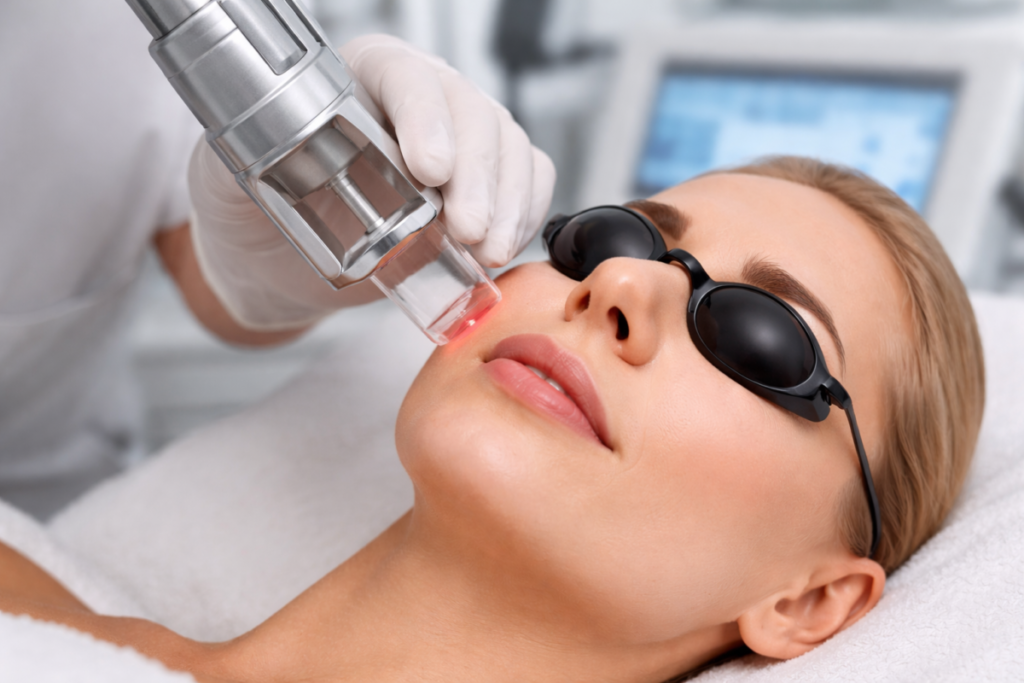
Preventing risks associated with CO₂ laser mainly depends on three pillars: choosing the right professional, undergoing a proper evaluation, and maintaining consistent care.
Selecting a qualified professional is the most important step. An experienced practitioner understands both the technology and the unique characteristics of each patient’s skin, allowing for a personalized approach.
Additionally, the initial consultation should be thorough. The doctor will assess medical history, skin type, possible dermatological conditions, and patient expectations. This step is essential for ensuring a safe indication of the procedure.
Pre- and post-treatment care also play a crucial role. Proper skin preparation, avoiding sun exposure, and strictly following medical advice significantly reduce the risk of complications.
Is fractional CO₂ laser safe?
Fractional CO₂ laser is considered an evolution of the traditional technique and is widely recognized as the gold standard in skin rejuvenation. It works in a more controlled way, treating small areas while preserving surrounding tissue, which promotes faster recovery.
When performed by a qualified professional and with proper indication, the procedure carries low risk and delivers highly satisfactory results.
Is CO₂ laser worth it?
CO₂ laser can deliver impressive improvements in skin texture and overall appearance. However, the success of the treatment is directly linked to how it is performed.
Having realistic expectations, choosing an experienced professional, and following all recommendations are essential factors for achieving good results.
Conclusion
CO₂ laser is a powerful tool in aesthetic dermatology—but it requires responsibility. Understanding the risks and how to prevent them is essential for anyone considering the procedure.
If you’re thinking about investing in this treatment, seek a specialized evaluation and always prioritize your health. Proper guidance makes all the difference—not only in the results but also in your peace of mind throughout the process.
Contact:
Clínica de Pele has specialized in dermatological treatments in Rio de Janeiro for over 60 years, since 1969. Dr. Szerman has more than 20 years of experience and also teaches other physicians.