![Clínica de Pele | Dermatologia & Estética | Fractional CO2 Laser [What Happens to the Skin After the Session?]](https://clinicadepele.com.br/wp-content/uploads/2024/03/logo-clinicapele.svg "Clínica de Pele | Dermatologia & Estética | Fractional CO2 Laser [What Happens to the Skin After the Session?]")

Hello, I’m Dr. Szerman, and today I’m bringing you images of some of our patients right after undergoing fractional CO2 laser treatment. But first, let’s understand how this technology works and why it’s considered the gold standard for several skin concerns.
Fractional CO2 Laser: How Does It Work and What Is It For?
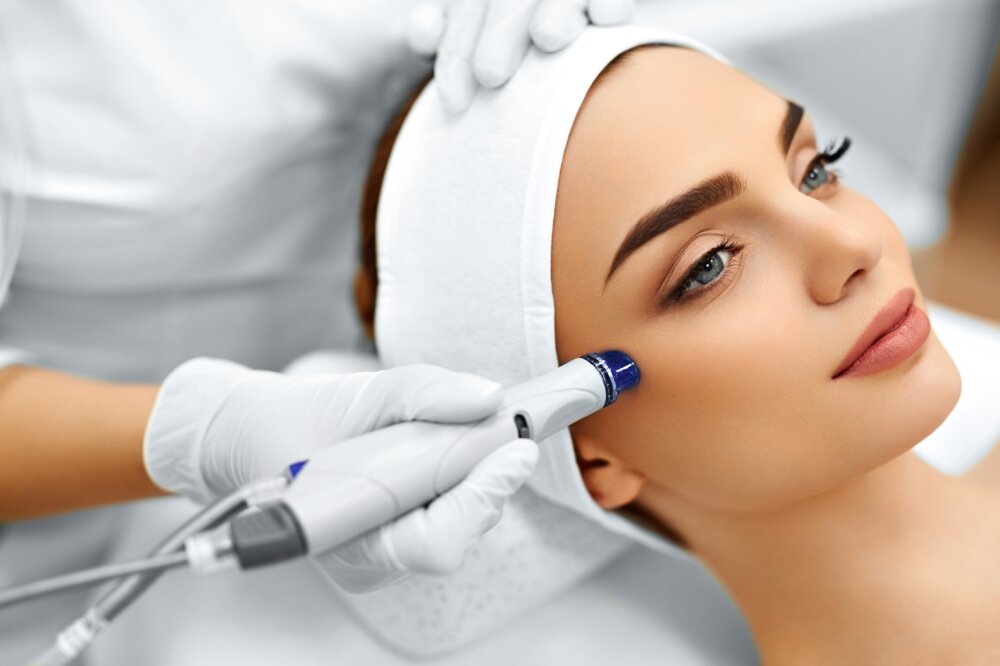
Fractional CO2 laser is a powerful technology for skin rejuvenation. It works by emitting beams of light that target microscopic areas of the skin, promoting intense cellular renewal. These micro-injuries stimulate collagen production and tissue regeneration, improving wrinkles, pigmentation, acne scars, and skin texture.
The treatment is customized, with intensity adjusted to the needs of each patient. While it causes mild temporary redness, the results are noticeable and long-lasting. Want to know if the fractional CO2 laser is right for you? Consult a dermatologist and discover the power of this technology!
Who Is Fractional CO2 Laser For?
This treatment is ideal for those seeking facial rejuvenation without undergoing invasive procedures. It’s recommended for people with:
- Fine wrinkles
- Sunspots
- Acne scars
- Enlarged pores
- Mild to moderate sagging
It also works well for uneven skin texture and fine lines around the eyes and mouth. While most suitable for lighter skin tones, the procedure requires a professional assessment due to the specific post-treatment care needed.
What Are the Risks of Fractional CO2 Laser?
When performed by qualified professionals, the fractional CO2 laser is a safe aesthetic treatment. However, like any procedure, it carries some risks. The most common include:
🔸 Redness and swelling – expected in the first few days and part of the healing process
🔸 Burning or stinging sensation – immediately after the session
🔸 Skin discoloration – especially in darker skin tones if proper care is not taken
🔸 Infection – rare, but possible if the area isn’t properly cleaned
🔸 Scarring – also rare but may occur in very sensitive skin or if the patient picks at the healing skin
🔸 Post-inflammatory hyperpigmentation – especially if the skin is exposed to the sun too soon
To minimize risks, follow all professional recommendations, avoid sun exposure, and maintain a strict skincare routine.
What Does the Skin Look Like After a Fractional CO2 Laser Session?
After a fractional CO2 laser session, it’s common for the skin to appear slightly reddened, usually a soft pink tone. Most lasers leave the skin extremely red and burning, but the fractional and pulsed laser we use at our clinic allows for greater control over how the laser penetrates the skin.
This means we can use it to generate heat or operate it in a way that behaves almost like a “cool laser”—especially for treating pigmentation without causing rebound effects.
When we do generate heat, it promotes collagen production, which is essential for treating acne scars, stretch marks, and overall skin rejuvenation.
How Much Does a Fractional CO2 Laser Session Cost?
The cost of a fractional CO2 laser session can vary significantly depending on:
🔹 The region of the country
🔹 The clinic’s and doctor’s reputation
🔹 The area treated (full face, localized scars, chest, neck, etc.)
🔹 The number of sessions needed
On average, prices range between R$800 and R$2,500 per session. In major cities like São Paulo and Rio de Janeiro, prices tend to be higher.
Keep in mind that the treatment requires a dermatologist’s evaluation, and often a personalized treatment plan. It’s best to book a consultation to determine how many sessions you’ll need and what the total cost will be.
Contact
Clínica de Pele has specialized in dermatological treatments in Rio de Janeiro for over 60 years. Dr. Szerman has more than 20 years of experience and also teaches other physicians.