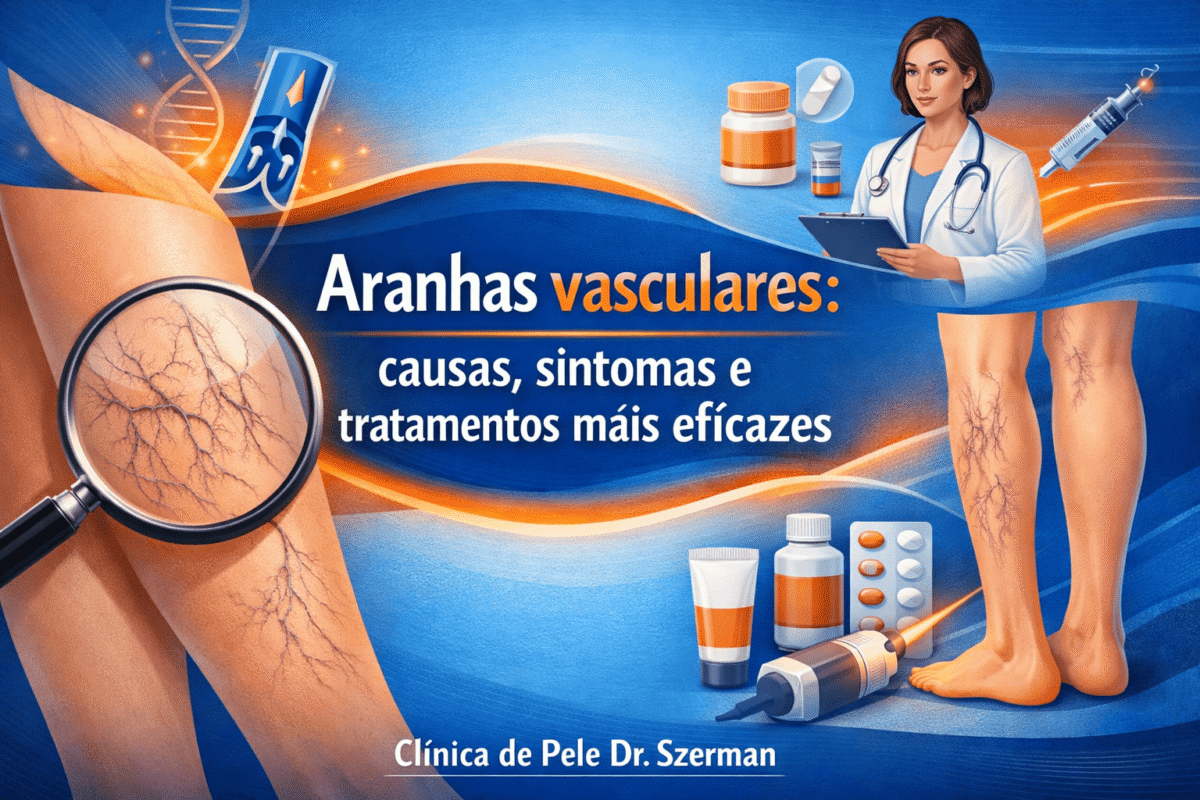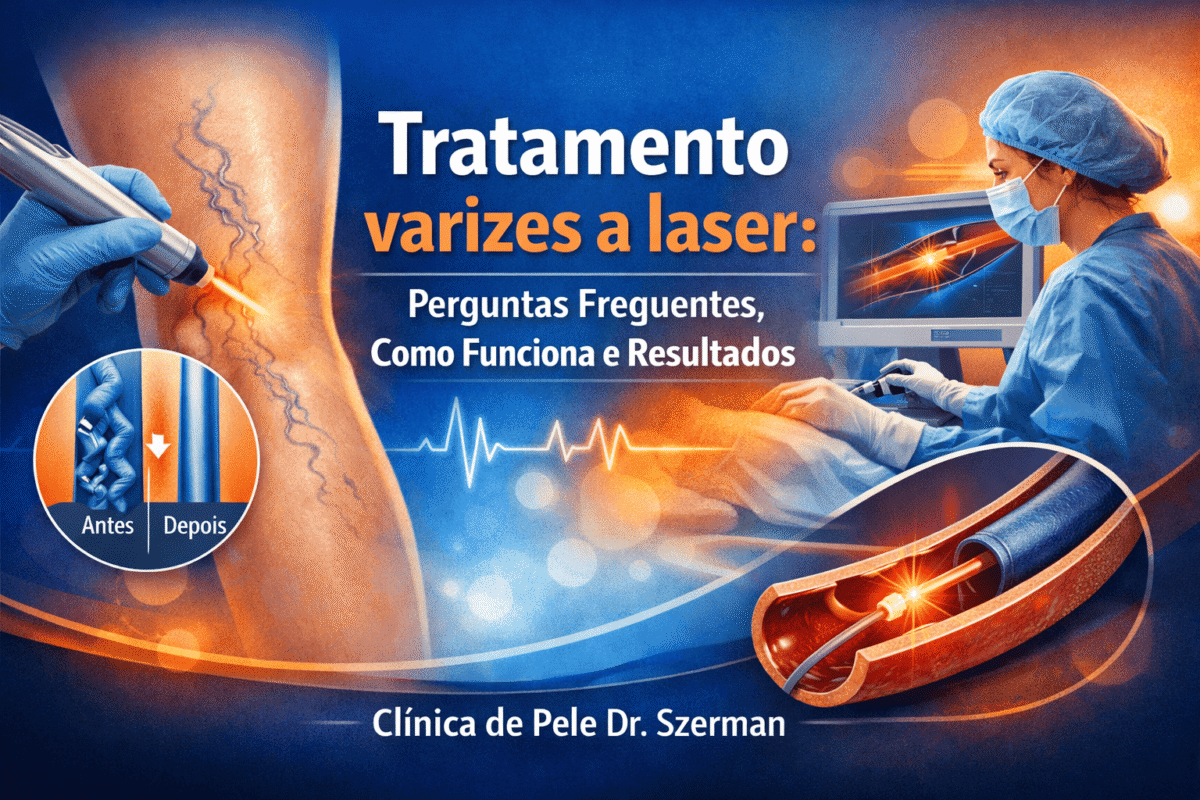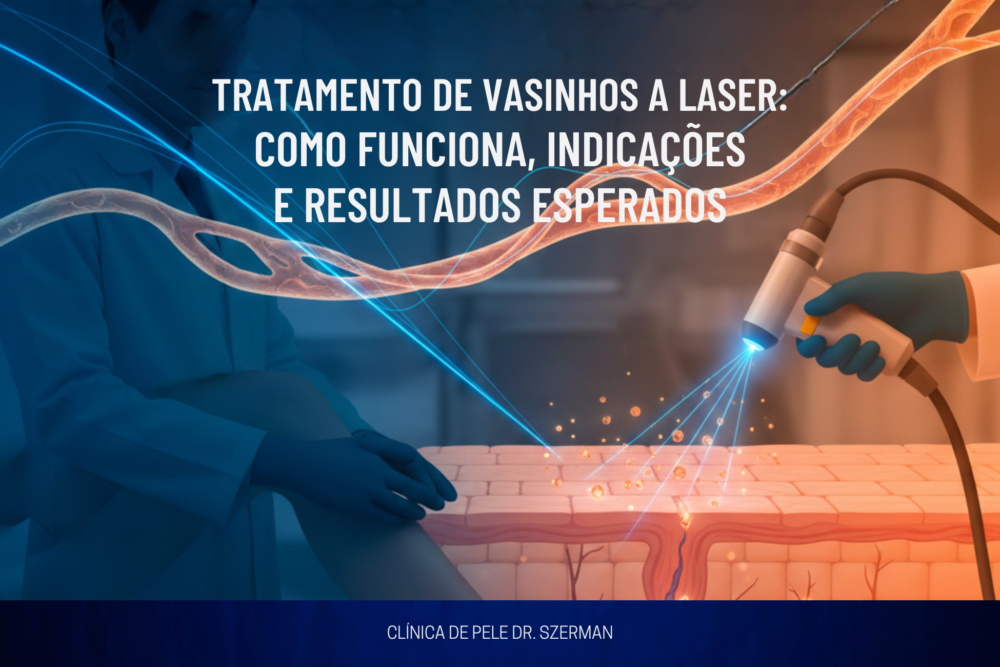
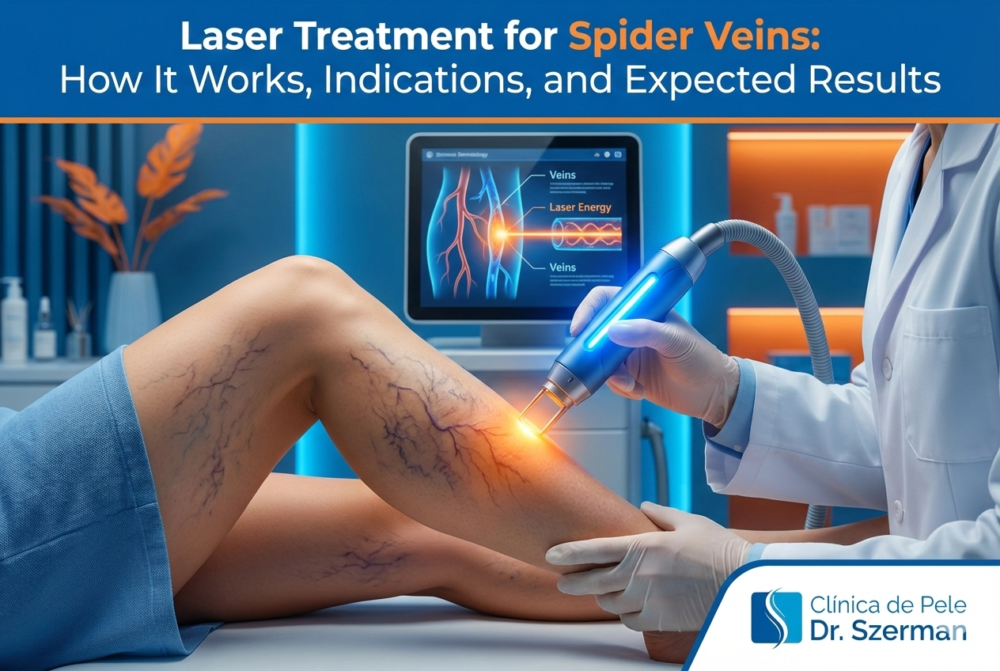
Laser treatment for spider veins is one of the most sought-after aesthetic procedures to improve the appearance of small dilated blood vessels on the legs. In our clinic, this treatment has been performed for nearly 20 years using the Harmony device, a technology recognized nationally and internationally for its safety and effectiveness.
Studies indicate that laser treatment for spider veins has a success rate of up to 80–90% in reducing the appearance of visible veins after one to three sessions, depending on factors such as vein size, skin type, and the technology used. According to clinical data, most patients report noticeable improvement within a few weeks, with minimal downtime and a high satisfaction rate, making laser therapy one of the most commonly recommended non-invasive treatments for spider veins.
Laser treatment for spider veins: How many sessions are needed?
The general recommendation is to undergo eight sessions, with monthly intervals between them. The lighter and more “transparent” the skin, the better the results tend to be, as the laser can penetrate more easily and target the vessel with greater precision.
What happens to the vessel during the session?
Spider veins have an affinity for laser light. When they are hit by the laser, they heat up and collapse. In some cases, the patient can see the vessel disappear immediately. In others, the vessel changes color, becomes more opaque, and is reabsorbed by the body within up to three weeks.
Who is laser treatment for spider veins recommended for?
Laser treatment for spider veins is especially recommended for people with fair skin, including light to medium skin tones.
Why is it not recommended for dark skin?
Darker skin absorbs more laser light due to the higher concentration of melanin. This increases the risk of unwanted reactions, such as burns or hyperpigmentation, making the procedure unsafe in these cases.
Laser treatment for spider veins: Preparation and pre-session care
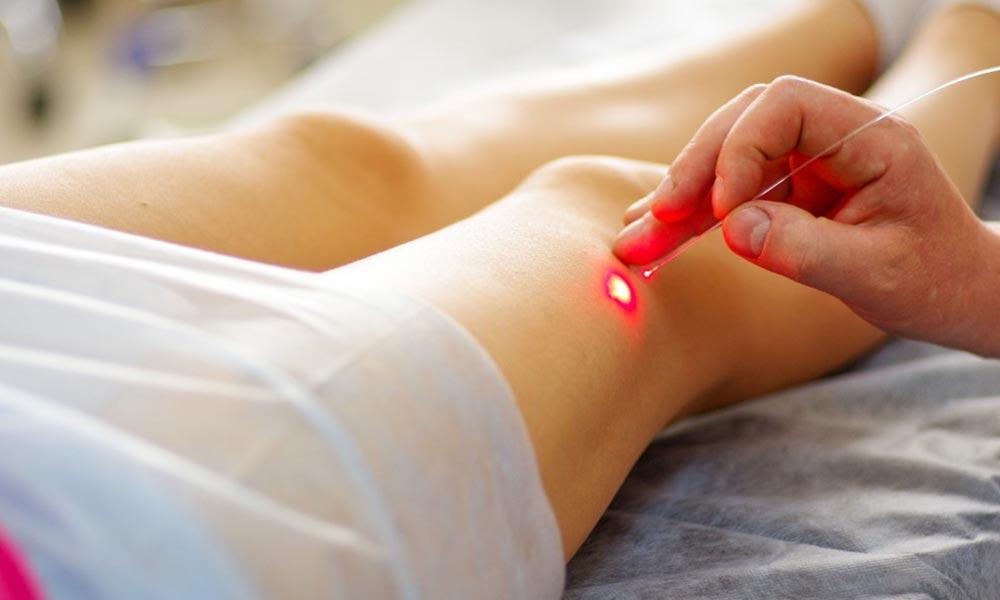
Before starting treatment, a skin-lightening medication is usually prescribed, following an international protocol that increases effectiveness and reduces risks.
In addition, as with any laser procedure that produces light and heat, there is a rare possibility of small lesions similar to “scabs.” When the procedure is performed with safe equipment and by an experienced professional, recovery is smooth and without complications.
Does laser treatment for spider veins hurt? What to expect during the session?
The sensation during treatment is usually mild discomfort and varies according to individual sensitivity. It is not considered a painful or traumatic procedure.
For greater comfort, a topical anesthetic is applied before the session, making the experience generally well tolerated.





Results: What can you expect?
It is important to align expectations: the goal is significant improvement, not complete disappearance of the vessels. Results are visible and most patients are satisfied, but 100% elimination is never guaranteed.
Which vessels respond best to laser treatment?
- Purplish or bluish veins: show the best results.
- Thicker red spider veins: also respond very well.
- Very thin vessels: the laser may pass through without significant effect.
- Very thick vessels: are generally not ideal candidates for laser and are better treated with other techniques, such as traditional sclerotherapy.
The choice of the ideal technique always depends on an individual medical evaluation.
Conclusion
Laser treatment for spider veins is safe, effective, and delivers significant results when performed with appropriate equipment and by experienced professionals. Patients with fair skin tend to have the best response, and proper preparation further enhances effectiveness.
If you would like to know whether this procedure is suitable for your case, schedule an evaluation and clarify all your questions directly with a specialist.
Contact:
A Clínica de Pele has specialized in dermatological treatments in Rio de Janeiro for over 60 years, since 1969. Dr. Szerman has more than 20 years of experience and also teaches other physicians.