Recovery after dermatologic procedures is a stage that deserves special attention from both the patient and the treating physician. Throughout my years of clinical practice, I have seen many cases in which the success of a treatment depended not only on the technique itself but, more importantly, on the care taken during the days that followed.
Não perca a dica do Dr. Szerman ao final do artigo!
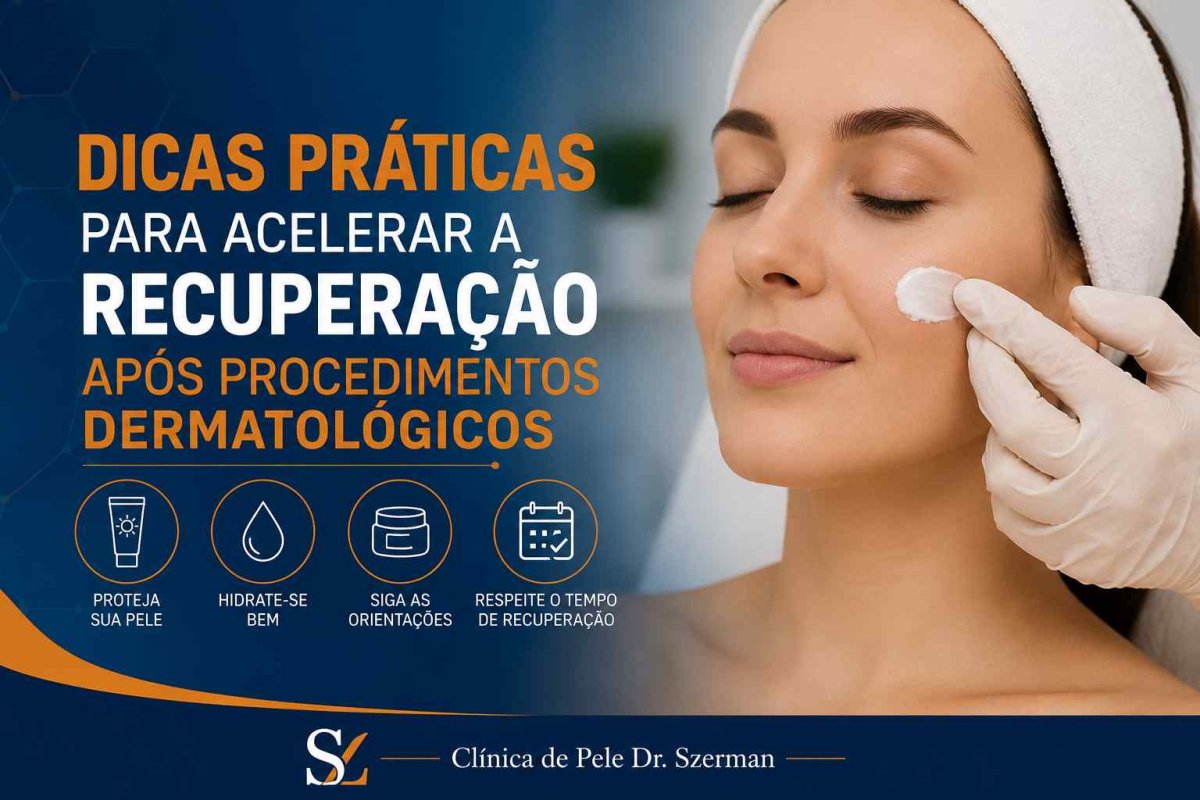
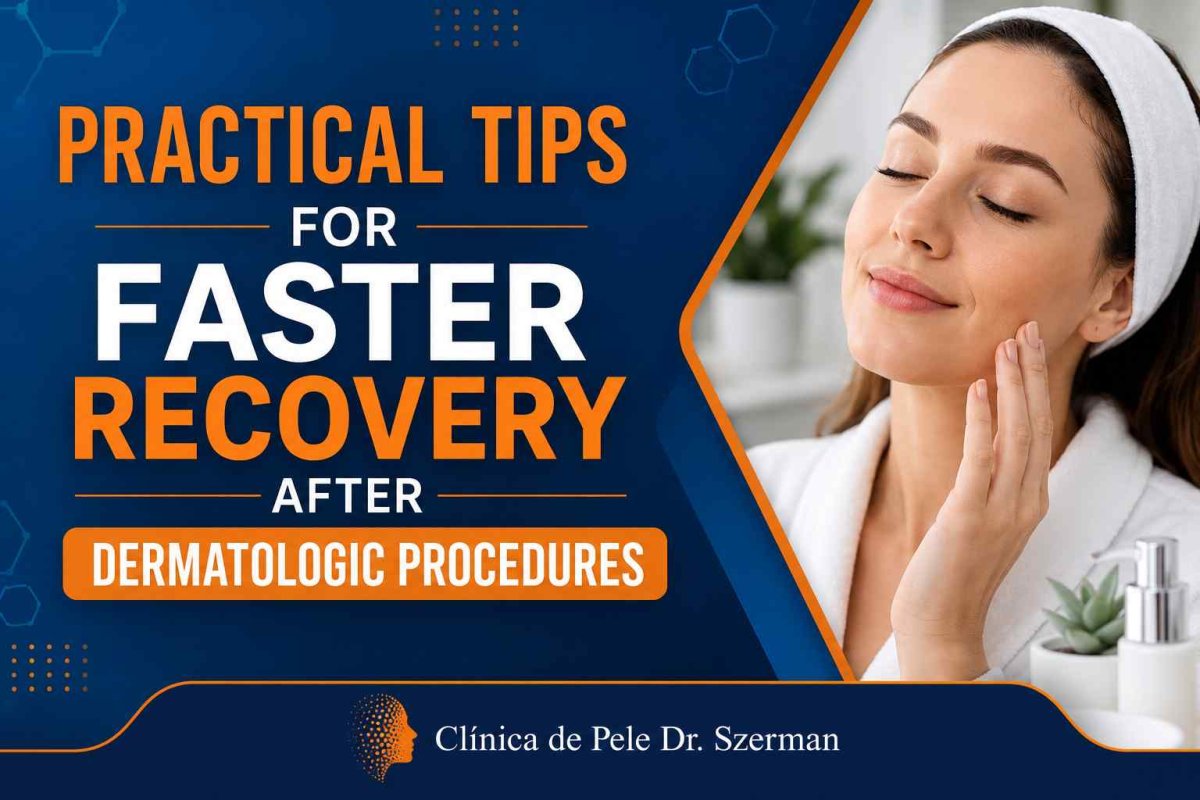
The measures adopted during the first few days after a dermatologic procedure have a direct impact on wound healing and the final aesthetic outcome. Simple practices—such as carefully following your dermatologist’s instructions, using prescribed skincare products, keeping the skin well hydrated, and avoiding unprotected sun exposure—can significantly reduce the risk of complications while promoting faster recovery.
The importance of proper post-procedure care was reinforced by a 2025 systematic review that analyzed 214 clinical studies involving 11,132 treated scars. The review concluded that combining structured post-procedure care with appropriate therapies significantly improved wound healing and scar appearance compared with the absence of a standardized recovery protocol.
These findings demonstrate that the success of treatments such as laser resurfacing, chemical peels, microneedling, and collagen biostimulators depends not only on the procedure itself but also on the patient’s commitment to following the recommended recovery guidelines.
With this in mind, I’ve gathered the recommendations I routinely share with my patients at Clínica de Pele | Dr. Szerman, along with evidence-based guidance, to explain how you can make your recovery both faster and more comfortable.
Understanding the Skin Healing Process
One of the first things I explain to my patients is how the body’s natural healing process works. Whenever the skin undergoes a dermatologic procedure—whether it’s a chemical peel, laser treatment, dermal filler injection, or another intervention—it experiences controlled micro-injuries that stimulate tissue repair.
In response, the body immediately activates its natural regenerative mechanisms. Skin cells begin repairing the tissue, new collagen fibers are produced, and over the following days and weeks, both the appearance and function of the skin gradually improve.
What’s fascinating is that despite today’s technological advances, the biology of wound healing remains unchanged. Every detail matters. Environmental factors such as sun exposure and air pollution, for example, can interfere with this process and delay recovery.
For this reason, I always encourage my patients at Clínica de Pele | Dr. Szerman to think of the first week after treatment as the “golden recovery period.” During this time, the skin is particularly vulnerable and requires the highest level of care and discipline.
Small daily habits can make a remarkable difference in your recovery.
Why Following Your Dermatologist’s Instructions Matters
One of the most important factors in achieving optimal healing and preventing complications is carefully following the instructions provided by your dermatologist.
Patients frequently ask questions such as:
- Can I wash my face?
- When can I return to the gym?
- How often should I apply the prescribed cream?
Although every procedure has its own specific recommendations, there are several fundamental recovery guidelines that apply to most treatments.
I routinely recommend that patients:
- Apply broad-spectrum sunscreen every day, even on cloudy days.
- Avoid direct sun exposure until the skin has completely healed.
- Keep the skin moisturized using products recommended by their dermatologist.
- Avoid scratching, picking scabs, or manipulating treated areas.
- Refrain from wearing makeup during the first few days unless specifically approved.
- Maintain excellent hygiene using mild cleansers and cool water.
- Avoid using unapproved creams, acids, or active ingredients that may cause irritation.
Over the years, I have treated patients who rushed their recovery by skipping important steps, only to develop hyperpigmentation, prolonged redness, or even secondary infections.
For this reason, I always emphasize one simple principle:
When it comes to skin healing, patience is your greatest ally.
Does Nutrition Affect Recovery?
Nutrition is another aspect that many patients underestimate during the healing process.
In my clinical experience, patients who consume a balanced diet rich in vitamins, minerals, antioxidants, and high-quality protein often experience healthier skin and faster recovery.
Healthy skin begins from within.
I generally encourage patients to:
- Eat citrus fruits, which are excellent sources of vitamin C and support collagen production.
- Consume lean proteins, which provide the building blocks necessary for tissue repair.
- Include plenty of dark leafy greens and colorful vegetables.
- Drink adequate amounts of water to maintain proper hydration.
- Limit processed foods, excess sugar, and highly fatty meals.
I also encourage patients to ask whether nutritional supplements may be appropriate for their individual needs.
At Clínica de Pele | Dr. Szerman, we evaluate each patient individually and provide personalized nutritional recommendations whenever appropriate.
How Does Proper Hygiene Affect Healing?
Proper skin hygiene is another essential component of successful recovery.
I still remember a patient whose excellent deep chemical peel result was almost compromised because of inadequate cleansing during the first few days after treatment.
For this reason, I always recommend:
- Washing the treated area with a gentle, non-irritating cleanser.
- Drying the skin carefully without rubbing or applying pressure.
- Using a clean towel every day and never sharing towels with others.
Simple habits like these significantly reduce the risk of infection and unnecessary inflammation.
Part of my job is repeating these recommendations because I understand how easy it is for small mistakes to occur in everyday life—and how much they can affect the final outcome.
Rest: A Key Part of Recovery
Many people assume that resting simply means lying on the couch and watching television.
In reality, recovery after dermatologic procedures involves a combination of healthy habits, including avoiding strenuous physical activity, getting adequate sleep, staying away from excessive heat, and giving the skin sufficient time to regenerate naturally.
When the body is well rested, it can coordinate the healing process more efficiently by producing new cells and reducing the likelihood of complications.
During the first 48 hours, I generally recommend taking extra precautions and, whenever possible, reducing work commitments or allowing yourself time away from a busy schedule so your skin can recover under the best possible conditions.

Sun Protection: The Most Important Step
If there is one recommendation that should never be overlooked, it is consistent sun protection. Even when sun exposure seems harmless, ultraviolet (UV) rays can penetrate windows and interfere with the skin’s healing process.
I always explain to my patients that sun protection is non-negotiable throughout the entire recovery period. Even brief or incidental exposure can increase the risk of persistent hyperpigmentation and compromise the final aesthetic result.
In addition to applying a broad-spectrum sunscreen, I strongly recommend taking extra protective measures, including:
- Wearing a wide-brimmed hat.
- Using UV-protective sunglasses.
- Choosing clothing that covers the treated area whenever possible.
For patients who undergo more invasive procedures, I also advise avoiding outdoor activities and prolonged sun exposure for at least seven days, as this simple precaution can make a significant difference in the healing process.
Whenever appropriate, I also recommend reliable educational resources, such as comprehensive guides on post–Fractional CO₂ laser care, which provide detailed recovery instructions that closely reflect the protocols I use in my own clinical practice.
How Can You Relieve Post-Procedure Skin Discomfort?
Experiencing some degree of discomfort after a dermatologic procedure is completely normal. Mild swelling, a burning sensation, warmth, redness, and itching are common during the early stages of healing. While these reactions are usually temporary, they can still be uncomfortable.
In my practice, I commonly recommend the following measures to help relieve these symptoms:
- Cool, damp compresses, but only if approved by your dermatologist.
- Hypoallergenic skin-repair creams to support the healing process.
- Soothing dermatologic sprays specifically formulated for post-procedure care.
- Pain relievers or anti-inflammatory medications, only when prescribed by your physician.
I also emphasize that self-medicating should always be avoided. Even over-the-counter products that seem harmless may irritate the skin, interfere with healing, or compromise your final results.
At Clínica de Pele | Dr. Szerman, our team is always available to answer questions, provide reassurance, and recommend the safest treatment options based on each patient’s individual needs.
Restrictions: What Should You Avoid at All Costs?
The excitement of seeing the final results often leads patients to rush their recovery or ignore important restrictions. As a dermatologist, I always remind my patients that proper healing requires patience and discipline.
During the recovery period, I recommend avoiding the following:
- Intense physical exercise immediately after the procedure.
- Hot showers, saunas, steam rooms, and excessively hot environments.
- Touching, scratching, or manipulating the treated area, which may increase the risk of infection and scarring.
- Taking medications without professional guidance.
- Applying skincare products or cosmetics that have not been specifically recommended by your dermatologist.
Patience is far more effective than any home remedy.
Above all, remember that outstanding results are achieved by respecting your body’s natural healing process and carefully following your dermatologist’s recommendations.
Additional Support: When Are Complementary Technologies Appropriate?
In selected cases, I may recommend advanced technologies to enhance recovery or optimize treatment outcomes. These may include Intense Pulsed Light (IPL) or microfocused ultrasound, depending on the patient’s condition and the stage of healing.
These technologies should only be used under the guidance of an experienced dermatologist and at the appropriate point in the recovery process.
At Clínica de Pele | Dr. Szerman, every post-procedure protocol is fully customized based on a comprehensive medical evaluation. During your recovery, you may have questions about treatments such as laser therapy, collagen biostimulators, or regenerative medicine options like exosomes and PDRN (polydeoxyribonucleotide).
For this reason, I always encourage patients to discuss any concerns with our team and never make treatment decisions without professional medical guidance.

Hydration and Skin Regeneration: Essential Allies During Recovery
Throughout my years of clinical practice, I have consistently observed how proper hydration influences the healing process. I always encourage my patients to drink plenty of water and use topical products specifically formulated to support skin repair.
Maintaining optimal hydration strengthens the skin’s natural barrier, helping reduce the risk of hyperpigmentation, excessive peeling, and irritation.
I commonly recommend:
- Thermal spring water sprays, when appropriate, to soothe and refresh sensitive skin.
- Skin-repair gels and regenerative creams, used according to your dermatologist’s instructions, to promote faster re-epithelialization.
- Avoiding moisturizers that contain fragrances, dyes, or other potentially irritating ingredients, which may trigger allergic reactions or delay healing.
Throughout the recovery process, I continually emphasize the importance of consistency. Using the recommended products exactly as prescribed can make a noticeable difference in the skin’s final appearance and overall treatment outcome.
Recovery Tips for Specific Dermatologic Procedures
Not every dermatologic procedure requires the same post-treatment care. For example, after Fractional CO₂ Laser resurfacing, I provide detailed recovery guidelines and often recommend educational resources covering post-laser care, along with practical recommendations such as:
- Avoid direct sun exposure for at least two weeks.
- Intensify skin hydration during the first 10 days after treatment.
- Carefully follow every application schedule prescribed by your dermatologist.
- Report any unusual symptoms immediately, including persistent redness, excessive swelling, or drainage from the treated area.
For injectable treatments and collagen biostimulators, such as Sculptra® and Radiesse®, I generally recommend applying cold compresses during the first few hours after treatment and monitoring for temporary bruising or swelling.
Patients should always notify their physician if they experience unexpected or concerning symptoms.
For individuals recovering from laser procedures, I also encourage consulting reliable educational resources on post-laser care, recovery strategies, and best practices to optimize healing, in addition to the comprehensive post–Fractional CO₂ Laser guidance routinely provided at Clínica de Pele | Dr. Szerman.

Warning Signs: When Should You Contact Your Dermatologist?
I often tell my patients that no one knows their skin better than they do. That’s why it’s important to pay close attention to any unusual changes during recovery.
Contact your dermatologist immediately if you notice:
- Severe or worsening pain.
- Redness that does not gradually improve.
- Drainage or discharge from the treated area.
- Fever.
- Excessive or disproportionate swelling.
Prompt communication with your physician can help prevent minor issues from becoming more serious complications.
At Clínica de Pele | Dr. Szerman, close follow-up is an essential part of our commitment to patient care. I believe that monitoring each stage of recovery is just as important as performing the procedure itself.
Long-Term Care: How to Maintain Your Results
Recovery doesn’t end once your skin has healed.
I continue to follow many of my patients after their procedures because maintaining long-lasting results requires ongoing care.
To preserve your results, I recommend:
- Continuing to use and regularly reapply broad-spectrum sunscreen.
- Maintaining a gentle daily cleansing routine.
- Keeping the skin properly hydrated.
- Avoiding habits that may damage the skin or accelerate aging.
- Following a balanced, nutrient-rich diet.
- Attending scheduled follow-up appointments with your dermatologist.
- Making consistent skincare and self-care part of your daily routine.
Long-lasting results are built through small, consistent daily habits.
Conclusion
Achieving healthy, rejuvenated skin depends not only on the procedure itself but also on the care taken during recovery.
At Clínica de Pele | Dr. Szerman, we combine decades of clinical experience, advanced technology, and personalized patient care to ensure that every stage of treatment—from preparation to recovery—supports safe, natural-looking, and long-lasting results.
If you would like to learn more about post-procedure care or explore the latest dermatologic treatment options, our team is here to help. I am always available to answer your questions, provide personalized guidance, and recommend the most advanced treatments available to help you feel confident and comfortable in your own skin.
Frequently Asked Questions About Post-Procedure Recovery
How can I speed up my skin’s recovery?
The best way to accelerate skin healing is by combining proper hydration, a nutrient-rich diet, consistent sun protection, and strict adherence to your dermatologist’s post-procedure instructions. Getting adequate rest and avoiding environmental factors that may irritate the skin are equally important. Every detail contributes to better tissue repair and optimal healing.
What should I avoid after a dermatologic procedure?
During recovery, avoid direct sun exposure, hot showers, saunas, overheated environments, wearing makeup unless approved by your dermatologist, self-medicating, and using skincare products that have not been specifically recommended for your treatment. Home remedies and unverified advice should also be avoided, as they may interfere with healing or increase the risk of complications. Patience is one of the most important factors in achieving the best possible outcome.
When can I return to my normal routine?
Recovery time varies depending on the procedure performed. Patients undergoing less invasive treatments may resume their normal activities within a few days, while more intensive procedures—such as Fractional CO₂ Laser resurfacing or deep chemical peels—may require up to two weeks before normal activities can safely be resumed. Always wait for your dermatologist’s approval before returning to your regular routine.
What can I use to relieve discomfort?
To relieve symptoms such as burning, swelling, or itching, use only the products recommended by your dermatologist. These may include skin-repair creams, cool compresses, or soothing dermatologic sprays. If you experience significant discomfort, consult your physician about appropriate pain-relief medications. Never self-medicate without professional guidance.
How long does recovery usually take?
Recovery varies according to the type of procedure, the patient’s overall health, and how carefully post-treatment instructions are followed. In general, superficial procedures require 3 to 7 days of recovery, while deeper treatments may require up to 21 days before the skin is fully healed and the final results become apparent.