

Deep under-eye dark circles have always been a significant part of my clinical practice and, I must admit, they intrigue not only those who see them in the mirror every day but also many specialists. After all, they are a multifactorial and challenging condition that requires looking beyond the surface to identify its underlying causes. A multidisciplinary approach is undoubtedly the most effective way to achieve meaningful, long-lasting, and safe improvement. This is the principle I consistently apply in the treatment protocols at Clínica de Pele | Dr. Szerman, where experience is combined with science and advanced technology.
Não perca a dica do Dr. Szerman ao final do artigo!
An international survey published in 2025 involving 48,000 adults from 34 countries found that 14.7% of participants presented with periorbital hyperpigmentation (dark circles), confirming that this is one of the most common facial aesthetic concerns worldwide.
Because dark circles may have pigmentary, vascular, structural, or volume-loss components, combining different treatment strategies—including biostimulators, dermal fillers, laser technologies, chemical peels, and personalized skincare—generally provides more effective and natural-looking improvement than isolated treatments. This multidisciplinary strategy addresses the predominant cause in each patient, increasing treatment predictability and patient satisfaction.
What Are Deep Under-Eye Dark Circles?
Before discussing treatment, it is important to clarify what defines deep under-eye dark circles. Contrary to popular belief, there is no single type of dark circle. The dark appearance around the eyes can result from several different causes, which often coexist.
These may include:
- Hyperpigmentation caused by excess melanin in the eyelid skin.
- Dilated blood vessels, creating a bluish or purplish appearance.
- A pronounced tear trough that casts shadows beneath the eyes.
- Loss of localized fat, causing the skin to appear sunken and increasing contrast.
Every day, I see patients who have tried countless creams and home remedies with little or no meaningful improvement because successful treatment requires a precise, personalized, and multidisciplinary approach.

Why Is It So Difficult to Treat Deep Dark Circles?
Throughout my clinical experience, I have observed that deep under-eye dark circles rarely have a single underlying cause. In most cases, pigmentation, vascular changes, and structural anatomy all contribute simultaneously. That is why topical brightening products alone seldom deliver the results patients hope for.
Every layer of the periorbital region may be involved—including the epidermis, dermis, subcutaneous tissue, blood vessels, and underlying bone structure. Successfully improving deep dark circles requires identifying the dominant factors and treating them together. This is the true foundation of a multidisciplinary approach.
The Importance of Diagnosis: Looking Beyond the Shadows
The first step I always emphasize is a comprehensive assessment. Skin color, tear trough depth, facial contours, skin elasticity, lifestyle habits, sun exposure history, allergies, and medications all play an important role.
- Pigment-dominant dark circles generally require brightening protocols combined with strict photoprotection.
- Vascular dark circles often respond better to laser treatments and therapies that improve microcirculation.
- When structural depression is the main concern, treatments that restore volume or stimulate collagen production are indicated.
- In most patients, combining different procedures is essential, as a single treatment rarely addresses every contributing factor.
At Clínica de Pele | Dr. Szerman, our team integrates advanced technology with personalized care, continuously evolving alongside modern dermatology to provide safe and effective treatments since 1969.





A Multidisciplinary Approach: Where Experience Meets Science
One of the greatest advances in recent years has been the adoption of multidisciplinary treatment strategies that combine multiple technologies and techniques tailored to each patient’s specific type of dark circles. A study published in PubMed in 2021 demonstrated that combining complementary therapies significantly improves pigmentation as well as skin texture around the eyes.
In my experience, integrating clinical dermatology, advanced technologies, and individualized patient care is what truly makes the difference for those seeking effective improvement of deep under-eye dark circles.
Key Treatments Used in Combination
Over the years, I have developed treatment protocols that combine multiple therapeutic approaches while considering each patient’s individual needs.
Sun Protection: The Essential Foundation
No matter how advanced a treatment may be, I always begin by emphasizing strict sun protection. Sun exposure—and even prolonged exposure to visible light emitted by digital screens—can significantly worsen pigmentation.
Recommended measures include:
- Sunscreens specifically formulated for the eye area.
- Large UV-protective sunglasses.
- Limiting prolonged exposure to blue light from smartphones, tablets, and computers, particularly in the evening.
Adopting these habits provides continuous protection even before clinical treatments begin.
Topical Brightening Products: Benefits and Limitations
Topical brightening products play an important role, particularly in cases where excess pigmentation is the primary concern. Medical supervision is recommended when using ingredients such as kojic acid, vitamin C, and niacinamide, which can gradually reduce discoloration.
However, topical products alone rarely eliminate deep under-eye dark circles. For truly noticeable improvement, they should be combined with complementary treatments as part of a comprehensive therapeutic plan.
Fractional CO₂ Laser: Deep Remodeling with Precision
Among today’s most advanced technologies, the Fractional CO₂ Laser has become one of the most valuable tools for improving both pigmentation and skin quality around the eyes.
At Clínica de Pele | Dr. Szerman, we use Fractional CO₂ Laser to:
- Promote skin renewal, helping reduce accumulated pigmentation.
- Stimulate collagen production, softening the tear trough and improving skin texture.
- Reduce skin laxity, restoring firmness to the lower eyelids.
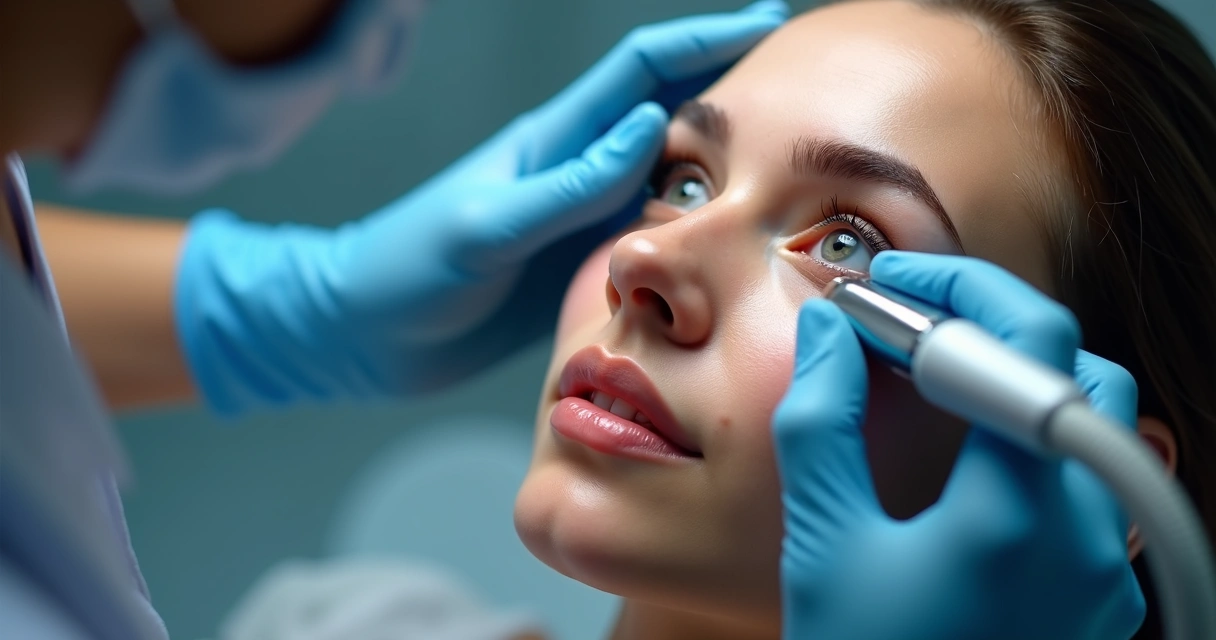
I often say that Fractional CO₂ Laser is one of the cornerstone treatments for deep under-eye dark circles, especially as part of a multidisciplinary approach, because it addresses both pigmentation and collagen remodeling, delivering excellent results when properly indicated.
Intense Pulsed Light: A Broad-Spectrum Solution for Dark Circles
Intense Pulsed Light (IPL) may also be recommended depending on the patient’s specific condition. It helps reduce the reddish or bluish vascular component by improving microcirculation while simultaneously lightening superficial pigmentation.
One of its greatest advantages is its ability to target both residual melasma and vascular discoloration at the same time, providing a comprehensive and safe treatment option for the patients I care for, always following a thorough medical evaluation.
Innovations in Regenerative Medicine: Exosomes and PDRN
In today’s treatment protocols, I have observed outstanding results by incorporating regenerative therapies such as exosomes and PDRN (polydeoxyribonucleotide). These advanced therapies enhance cellular regeneration and tissue repair, promoting healthier, rejuvenated skin.
This regenerative approach restores skin radiance, improves elasticity, and provides remarkable improvement in patients whose dark circles have been resistant to conventional treatments.
Injectable Treatments: Collagen Biostimulators, PDO Threads, and Dermal Fillers
Some patients require a more structural approach, in which I may recommend:
- Collagen biostimulators (such as Sculptra® and Radiesse®) to improve skin firmness and soften lower eyelid depressions.
- PDO threads to provide subtle support while stimulating local collagen production.
- Dermal fillers to correct deep tear trough deformities that create shadowing beneath the eyes.
These procedures require extensive anatomical knowledge, technical expertise, and careful selection of the most appropriate treatment for each patient’s unique anatomy and expectations.
Complete Personalization: The Key to Natural-Looking Results
Every patient who visits Clínica de Pele | Dr. Szerman receives much more than a consultation—they undergo a comprehensive diagnostic assessment. I carefully evaluate:
- The color of the dark circles (brown, blue, purple, mixed, etc.).
- Aggravating factors such as sleep habits, allergies, light exposure, and aging.
- Facial bone structure.
- Periorbital skin volume and texture.
This personalized approach is what I consider the greatest advantage I can offer. Every treatment plan is designed with safety, precision, and respect for the patient’s natural anatomy.
The Importance of Maintenance: Long-Term Care
After the initial improvement, I always remind my patients that the eye area is delicate and requires ongoing maintenance, since aging, sun exposure, and irregular sleep patterns continue to influence its appearance over time.
Maintenance typically includes:
- Scheduled follow-up appointments based on individual response.
- Periodic maintenance treatments whenever necessary.
- Continuous skin hydration and reinforced sun protection.
This long-term follow-up, which is often overlooked, is one of the main reasons multidisciplinary treatment produces longer-lasting results.
Real Results and Patient Satisfaction
Throughout my years of practice, I have witnessed the positive impact that restoring a brighter, more refreshed, and youthful appearance can have on my patients. When treatment is carefully planned, the benefits extend well beyond aesthetics, improving self-confidence and helping patients feel more energized in their daily lives.
A multidisciplinary philosophy is reflected not only in advanced technology but also in the compassion invested in listening to each patient, understanding their concerns, and guiding them toward the best possible outcome. Experience has taught me that respecting each individual’s uniqueness is what truly creates lasting results.
Your Journey: From Information to Informed Decision-Making
If you are beginning to explore treatment options for deep under-eye dark circles, I strongly encourage you to seek reliable, evidence-based information like the content presented here, along with additional resources covering common concerns, causes, and treatment options. Learning about the various therapeutic approaches is the first step toward making an informed decision.
What Does the Latest Scientific Research Say?
After reviewing the international literature alongside my own clinical experience, I have found a clear consensus: combining therapies such as laser treatments, Intense Pulsed Light, collagen biostimulators, and topical protocols provides significant benefits in improving deep under-eye dark circles.
A comprehensive review published in PubMed in 2021 concluded that multidisciplinary treatment approaches demonstrated meaningful effectiveness in reducing deep under-eye dark circles.
These findings validate what I have consistently observed in clinical practice and reinforce the value of individualized combination protocols tailored to each patient’s specific needs.
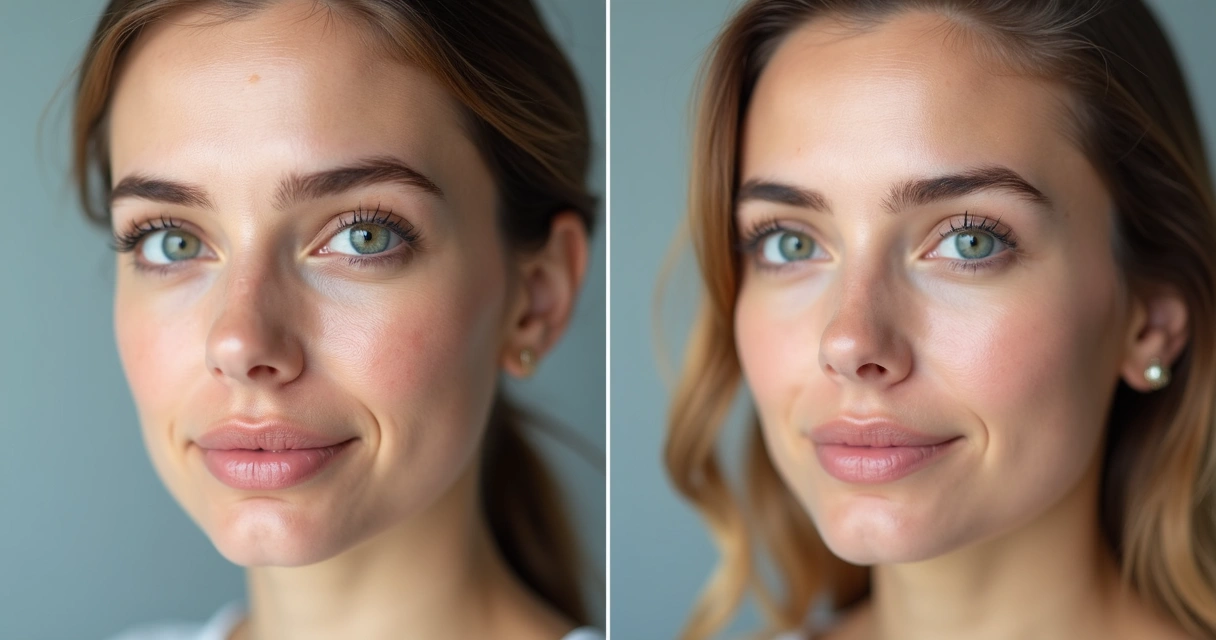
My Approach: Combining Compassion, Technology, and Safety
Every day, I treat individuals seeking not only brighter under-eye skin but also renewed confidence when they look in the mirror. Throughout more than 25 years as a dermatologist, educator, and specialist, I have dedicated my career to combining compassionate care, ethical practice, and the latest advances in dermatologic technology.
Choosing a multidisciplinary treatment plan for deep under-eye dark circles means investing not only in your appearance but also in your confidence and overall well-being.
I take great pride in offering solutions at Clínica de Pele | Dr. Szerman that combine innovation with decades of clinical experience—delivering the trust and reassurance that are essential when treating the face.
Conclusion
Successfully treating deep under-eye dark circles requires expertise, clinical experience, and careful attention to each patient’s unique characteristics. A multidisciplinary approach has emerged as one of the safest and most effective strategies by combining advanced technologies, personalized treatment protocols, and individualized patient care.
If deep under-eye dark circles affect your confidence, effective treatment options are available. With experienced hands, state-of-the-art technology, and compassionate follow-up care, achieving a brighter, more refreshed appearance is possible.
Discover Clínica de Pele | Dr. Szerman, a leading dermatology center in Rio de Janeiro with more than 60 years of excellence. Schedule a consultation, have your questions answered, and begin your journey toward a more refreshed, confident appearance.
Clínica de Pele has specialized in advanced dermatology, laser treatments, and aesthetic medicine in Rio de Janeiro since 1969. Dr. Szerman has more than 25 years of clinical experience and is actively involved in training physicians through medical education.
If you would like to learn more about our treatments or receive personalized information, simply contact our team by clicking the WhatsApp button on our website. We will be delighted to assist you.
Frequently Asked Questions About Treating Deep Under-Eye Dark Circles
What causes deep under-eye dark circles?
Deep under-eye dark circles may result from several factors, including genetic predisposition, hyperpigmentation, prominent blood vessels, volume loss in the periorbital region, and lifestyle factors such as inadequate sleep and excessive sun exposure. In most cases, multiple factors contribute simultaneously, making a thorough medical evaluation essential.
How are deep under-eye dark circles treated?
Effective treatment typically involves a multidisciplinary approach that may include Fractional CO₂ Laser, Intense Pulsed Light (IPL), topical brightening agents, injectable treatments such as collagen biostimulators and dermal fillers, along with strict sun protection and ongoing medical follow-up. Treatment is always individualized according to each patient’s needs.
How much does treatment for deep under-eye dark circles cost?
The cost varies considerably depending on the recommended treatment protocol, the combination of procedures required, and each patient’s individual response. An in-person medical consultation is essential to develop a personalized treatment plan and provide an accurate cost estimate.
Does treatment for deep under-eye dark circles really work?
Yes. When treatment is personalized and based on a multidisciplinary strategy, scientific evidence and clinical experience consistently demonstrate progressive and long-lasting improvement. Combining complementary technologies generally produces better outcomes than relying on a single treatment alone.
How can I find a specialist for treating dark circles?
Patients seeking treatment should consult a board-certified dermatologist or physician with extensive experience in advanced periorbital rejuvenation techniques and laser technologies. Clínica de Pele | Dr. Szerman has been a recognized reference in dermatologic care since 1969, combining scientific excellence, decades of experience, and personalized treatment plans to achieve optimal patient outcomes.