CO2 laser treatment is one of the most sought-after dermatological procedures for skin rejuvenation, acne scar treatment, stretch marks, pigmentation issues, and other signs of aging. Known for its effectiveness, it can deliver impressive results when performed correctly.
Não perca a dica do Dr. Szerman ao final do artigo!
However, like any medical procedure, there are risks associated with treatment. Understanding these potential complications and knowing how to prevent them is essential for ensuring a safe and satisfactory experience.
In this article, you’ll discover the main risks associated with CO₂ laser treatment and the precautions that can help minimize them.
What Is CO2 Laser Treatment and How Does It Work?
CO₂ laser technology uses focused beams of light to vaporize controlled layers of the skin. This process stimulates collagen production and promotes intense cellular renewal.
Because of these effects, the procedure is widely used for:
- Facial rejuvenation;
- Acne scar treatment;
- Stretch mark reduction;
- Pigmentation correction;
- Improvement of skin texture and firmness.
Although the results are often remarkable, the success of the treatment depends heavily on the practitioner’s expertise and adherence to proper pre- and post-treatment care.
What Are the Main Risks of CO2 Laser Treatment?
Post-Inflammatory Hyperpigmentation
One of the most common side effects is post-inflammatory hyperpigmentation (PIH), characterized by the appearance of dark spots following treatment.




This complication occurs more frequently in individuals with darker skin phototypes, who have a greater tendency to produce melanin after inflammatory processes.
How Can It Be Prevented?
- Undergo a thorough skin assessment before treatment;
- Use skin-lightening products before the procedure when recommended;
- Follow all medical instructions carefully;
- Avoid sun exposure before and after treatment;
- Apply sunscreen daily.
Skin Infections
Although less common, skin infections may occur after CO2 laser treatment.
Because the procedure creates deep skin renewal, the skin barrier becomes temporarily compromised, increasing susceptibility to infectious agents.
How Can It Be Prevented?
- Follow all hygiene recommendations;
- Use prescribed medications correctly;
- Take prophylactic antiviral medication if you have a history of herpes simplex infections;
- Keep the treated area clean during recovery;
- Use healing products recommended by your physician.
Atrophic and Hypertrophic Scars
Permanent scarring is one of the most concerning complications of CO2 laser treatment, although it is considered rare.
Scars may develop due to factors such as:
- Improper application of the technology;
- Inappropriate laser settings for the patient’s skin type;
- Excessive treatment intensity;
- Individual variations in the healing process.
How Can It Be Prevented?
The most important preventive measure is choosing an experienced and qualified physician who can customize the treatment according to the patient’s skin characteristics and goals.
Persistent Erythema
Persistent erythema refers to prolonged redness that may remain for weeks or even months after treatment.
Patients with sensitive skin or conditions such as rosacea may be more prone to this side effect.
How Can It Be Prevented?
- Use cold compresses if recommended by your physician;
- Apply soothing creams specifically prescribed for recovery;
- Avoid sun exposure;
- Follow all post-treatment care instructions carefully.
How Can the Risks of CO2 Laser Treatment Be Reduced?
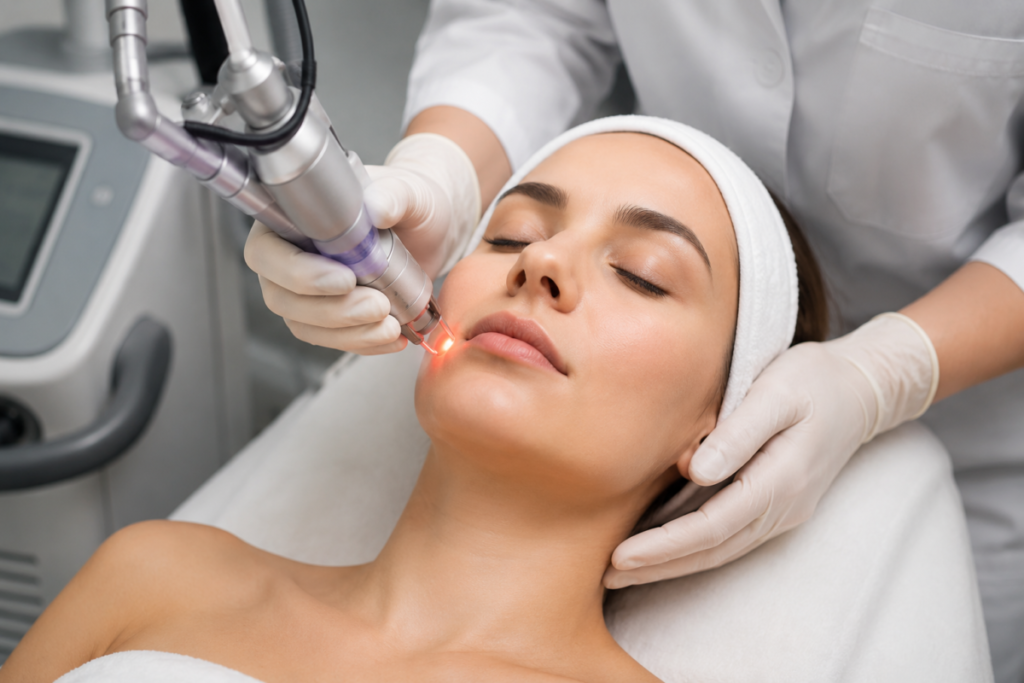
Complication prevention begins long before the procedure itself.
Choose a Qualified Professional
Medical expertise plays a crucial role in treatment safety. A dermatologist has the knowledge necessary to adjust laser parameters according to skin type, treatment area, and desired outcomes.
Undergo a Comprehensive Evaluation
Before treatment, it is essential to have a detailed consultation to assess:
- Medical history;
- Overall health conditions;
- Current medications;
- Skin type;
- Expectations regarding results.
This evaluation helps identify potential contraindications and establish the safest treatment protocol.
Follow All Medical Recommendations
Pre- and post-laser care are just as important as the procedure itself. Proper use of prescribed products, diligent sun protection, and ongoing medical supervision significantly reduce the risk of complications.
Is CO₂ Laser Treatment Safe?
Yes. Fractional CO2 laser is considered one of the safest and most effective treatments for deep skin rejuvenation when performed by qualified professionals.
Recognized as a gold-standard treatment for several dermatological indications, it has a low complication rate when patients undergo proper evaluation, appropriate laser settings are selected, and medical supervision is maintained throughout the process.
For this reason, before undergoing treatment, be sure to choose a specialized clinic with experienced professionals and high-quality equipment. This allows you to enjoy the benefits of CO₂ laser treatment with greater safety and confidence.
Conclusion
The risks associated with CO₂ laser treatment do exist, but they can be significantly minimized when the procedure is performed by qualified professionals and supported by appropriate care. Individualized assessment, skin preparation, sun protection, and medical follow-up are all essential factors in achieving safe and satisfying results.
If you are considering CO₂ laser treatment, consult an experienced dermatologist to determine whether it is the best option for your needs and to learn which precautions are necessary for achieving the best possible outcome.
Contact
Clínica de Pele has specialized in dermatological treatments in Rio de Janeiro for more than 60 years, since 1969. Dr. Szerman has more than 20 years of experience and also teaches advanced dermatological procedures to other physicians.