
Did you know that more than 35% of Brazilian women over 25 suffer from sun spots and melasma? These spots, mainly caused by sun exposure and hormonal changes, can affect skin tone uniformity and self-esteem.
And According to the American Academy of Dermatology, more than 6 million people in the United States are affected by melasma, and it is especially common among women between the ages of 20 and 50. In addition, sun exposure is responsible for up to 90% of visible skin aging, including the appearance of sun spots and hyperpigmentation. These statistics highlight the importance of consistent sun protection and dermatological treatments to prevent and manage pigmentation disorders such as sun spots and melasma.
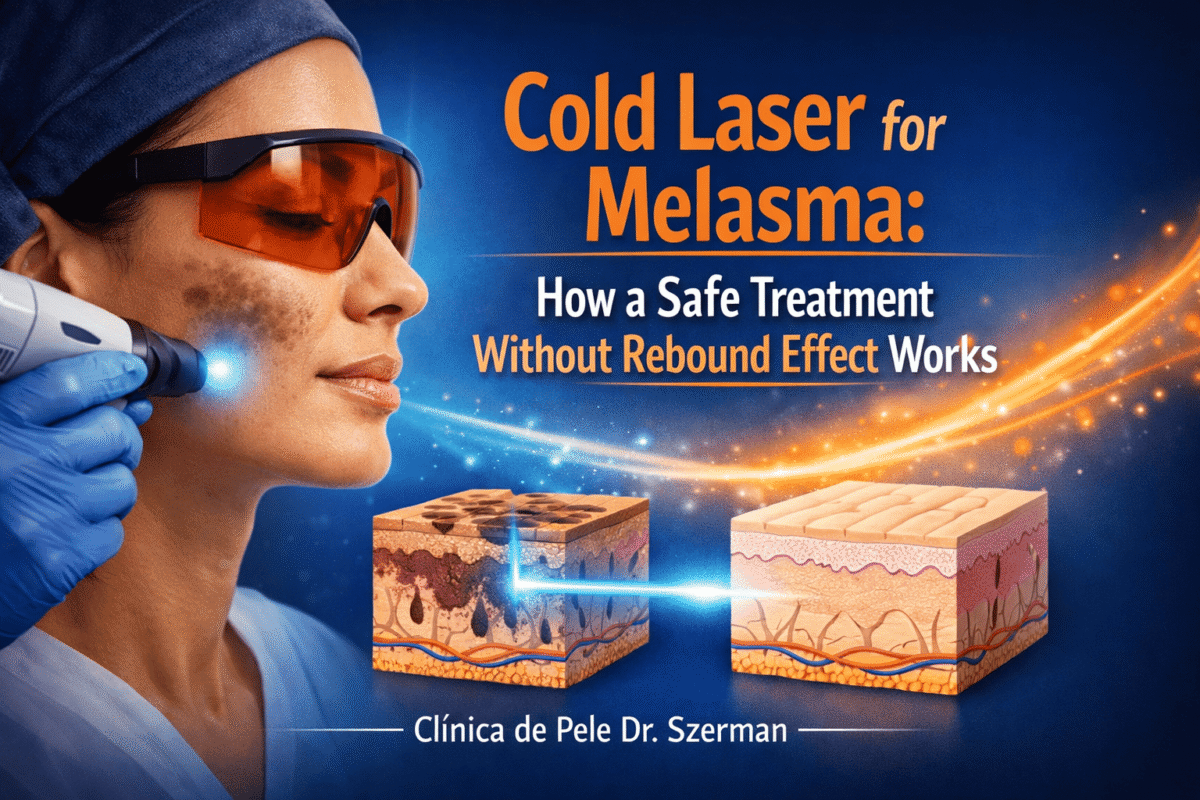
The good news is that effective rejuvenation treatments, such as lasers, peels, and pulsed light technologies, can help lighten spots and restore skin radiance. Daily sun protection and dermatological follow-up are essential to prevent spots and maintain long-lasting results.
In this article, you’ll learn about the causes, prevention, and main rejuvenation treatments recommended to reduce these spots.
What causes sun spots?

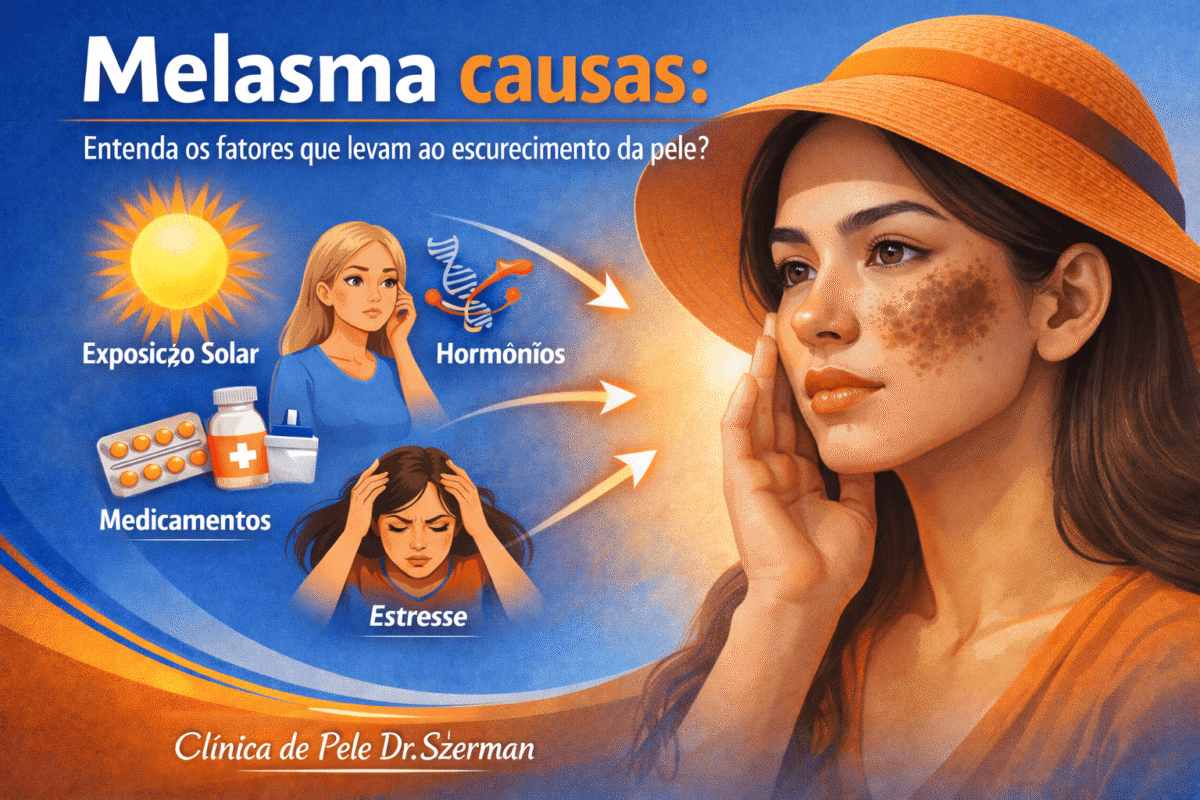
Sun spots and melasma occur mainly due to sun exposure and usually appear darker than the surrounding skin. This pigmentation is the skin’s response to protect our DNA from harmful rays. Sun exposure increases melanocyte activity, the cells that produce melanin, the pigment responsible for skin color, forming a natural protective barrier.
Age spots: cumulative sun effect
Age spots appear due to long-term sun exposure, usually after 40 years old. They commonly appear on the face, chest, shoulders, arms, and hands. Within this type of hyperpigmentation, dermatologists also often see patients with melasma-related spots.
Melasma: what it is and why it happens
Among the most common types of hyperpigmentation, melasma stands out. It primarily affects women but can also affect about 10% of men.
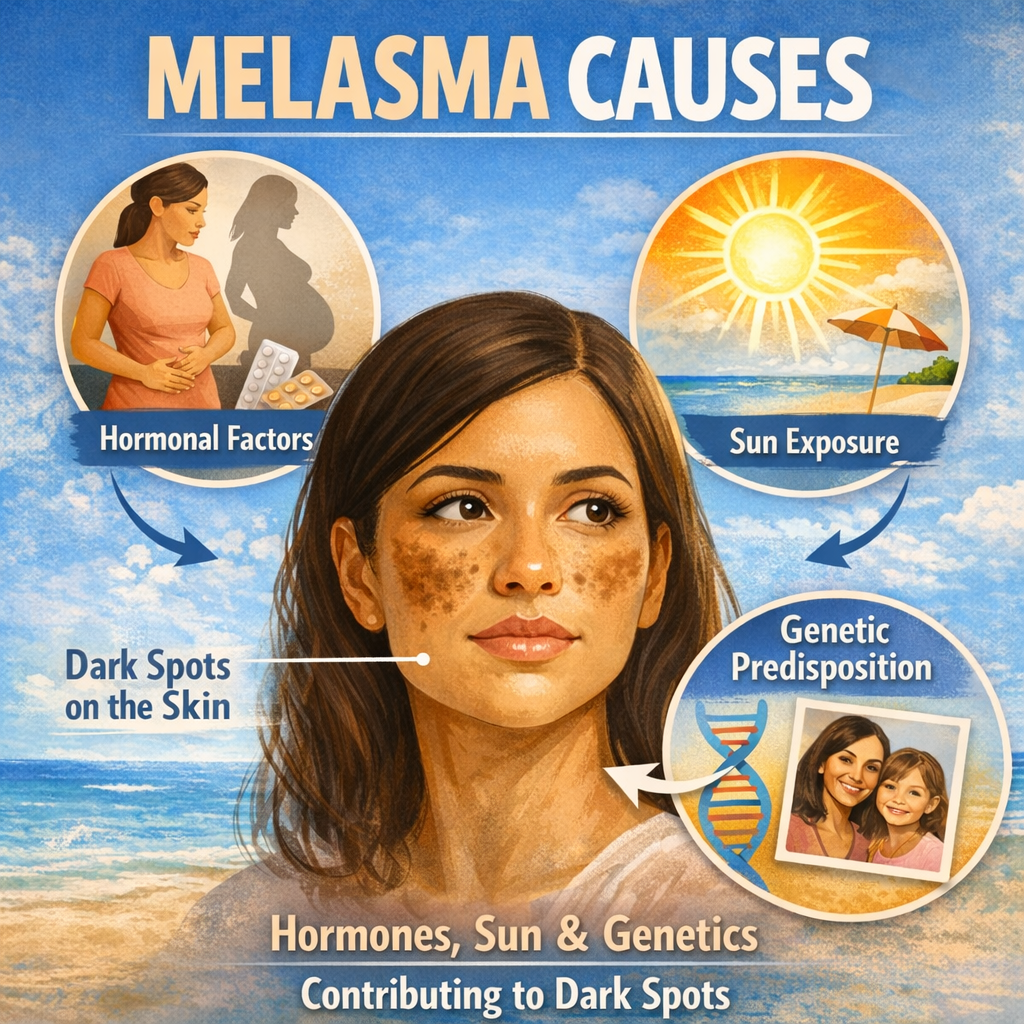
Factors contributing to melasma:
- Hormonal changes during pregnancy
- Use of oral contraceptives
- Sun exposure
- Genetic predisposition
Melasma may appear not only on the face but also on the arms, neck, and chest.
How to prevent sun spots
To prevent the appearance of spots, daily sunscreen use is recommended to protect the skin from ultraviolet rays.
It’s important to choose a sunscreen with adequate SPF for your skin type, as different skin tones require specific care. For example, darker skin has a higher natural barrier due to more melanin.








Even with proper care, spots may appear over time. In these cases, rejuvenation treatments can help.
Rejuvenation treatments: benefits and results
Facial rejuvenation procedures are excellent for those looking to:
- Reduce pigmentation
- Minimize wrinkles
- Stimulate collagen and elastin production
These treatments improve firmness, elasticity, and give a younger, healthier appearance.
Advantages of rejuvenation treatments:
- Smooth signs of aging
- Promote skin rejuvenation with minimal discomfort
- Improve skin texture and uniformity
- Revitalize the skin’s overall appearance
Investing in rejuvenation treatments is an effective way to enhance skin health, restore appearance, and boost self-esteem. Combining daily prevention with sunscreen and suitable aesthetic procedures helps maintain protected, even-toned, youthful-looking skin for longer.
Schedule an evaluation with a dermatologist to find the best treatment for your skin type!
Contact:
Clínica de Pele has specialized in dermatological treatments in Rio de Janeiro for over 60 years, since 1969.
Dr. Szerman has more than 20 years of experience and also teaches other physicians.